

Mi-Pod Is Fighting for More Than Shelf Space
Posted by Alli Boughner on Nov 4th 2026
Keeping a vape business running should not require a permanent seat in a lawyer’s office. But listen to Mi-Pod’s Rebecca Basinski and Devin Gusich describe their work, and it becomes clear how much of the job now involves interpreting regulations, answering worried retailers, defending the business, and finding ways to keep operating.
In two recent RegWatch interviews filmed at Mi-Pod Wholesale in Phoenix, Brent Stafford gives viewers a look inside that reality. These conversations put names, careers, and personal experiences behind an industry too often discussed only in terms of products and enforcement.
They also explain why Mi-Pod continues to speak up. The company’s future is tied to the independent shops it serves, the people it employs, and the adult consumers who helped build this industry.
Rebecca Basinski: The Cost of Keeping the Doors Open
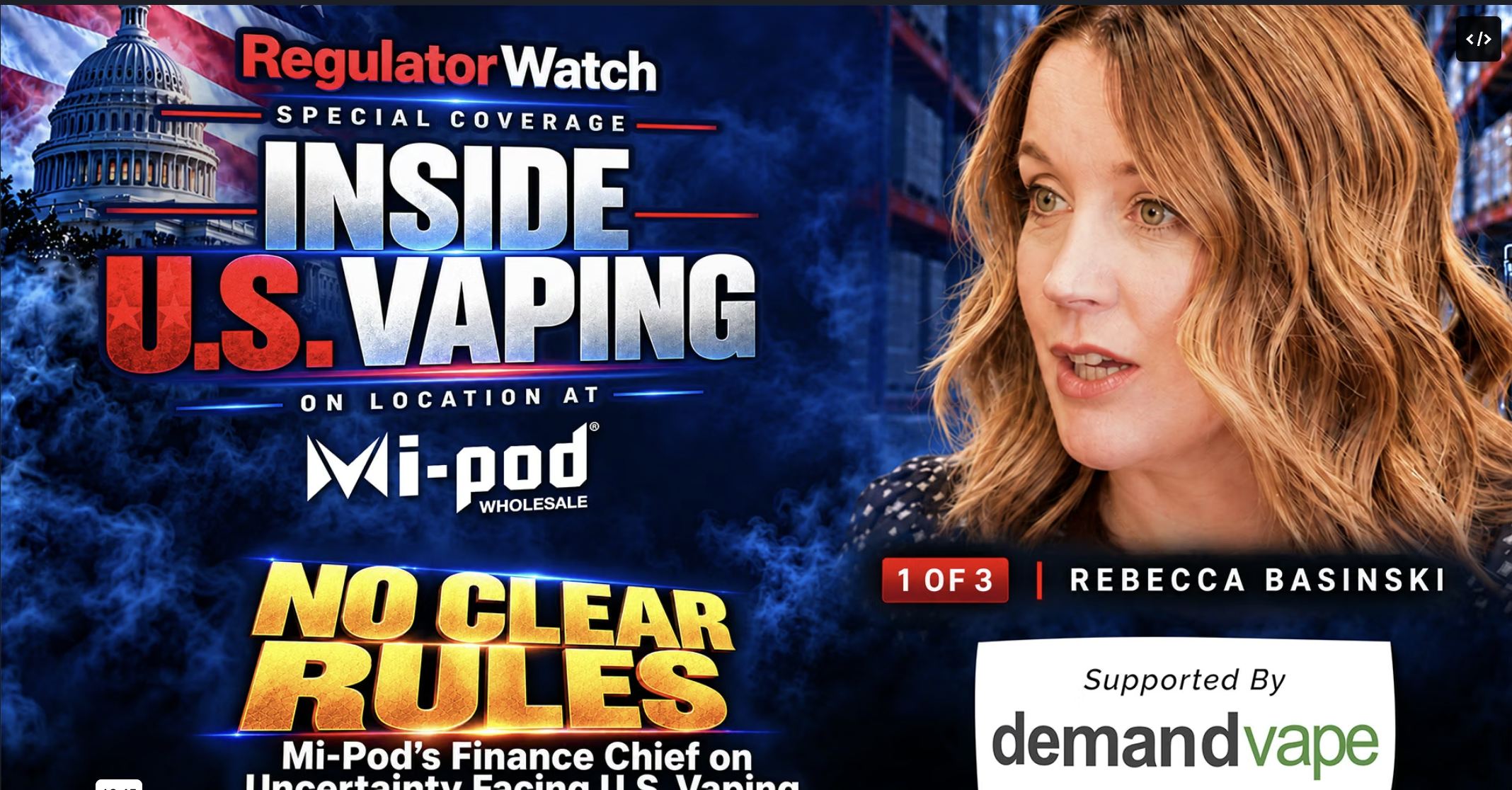
In No Clear Rules, Mi-Pod Vice President of Finance and Accounting Rebecca Basinski describes a role that reaches well beyond balancing the books.
Her responsibilities include financial planning, tax reporting, compliance, and the reporting associated with the PACT Act. She is also involved when legal challenges arrive and when uncertainty affects the companies Mi-Pod depends on to operate.
Rebecca joined around 2019, initially expecting a temporary assignment through her accounting practice. Instead, she found herself helping the company through one of the most difficult periods in its history.
She recalls the business impact of the 2019 lung-injury headlines in blunt terms: Mi-Pod nearly went bankrupt and laid off the vast majority of its staff. She says it was not until late spring or early summer of 2021 that she felt the company had returned to a comfortable position.
That is a significant part of Mi-Pod’s story. Behind the headlines were people losing jobs, colleagues trying to hold a business together, and a company facing the possibility that it might not recover.
Today, Rebecca describes an operation with roughly 70 employees across its warehouse, sales, and administrative teams at the time of the interview. Those employees give the regulatory debate a human scale. Decisions affecting the business also affect the people who depend on it for a paycheck.
Clear Rules Should Be a Reasonable Request
Asked whether the rules governing Mi-Pod’s business are clear and certain, Rebecca answers immediately:
“No. Not at all.”
She describes uncertainty surrounding federal product review, disputes over product status, and pressure on vendors to distance themselves from the industry. In her account, those questions spill into litigation and ordinary business relationships.
Her request is straightforward: clearer federal guidance and clearer communication to the states.
Rebecca also raises alcohol as an example of an adult marketplace with established systems for sales and delivery. Her point is practical: businesses need an understandable framework under which they can operate, plan, and meet their obligations.
Despite the challenges, she remains determined to see the industry through them. She describes the work as a daily battle, but also talks about the satisfaction of a victory and her belief that the industry will survive.
That determination comes from someone who was never a smoker. Rebecca points to smokers in her own family, the people she works alongside, and the company’s contribution to its community as reasons she cares about its future.
Devin Gusich: Eighteen Years of Listening to Customers
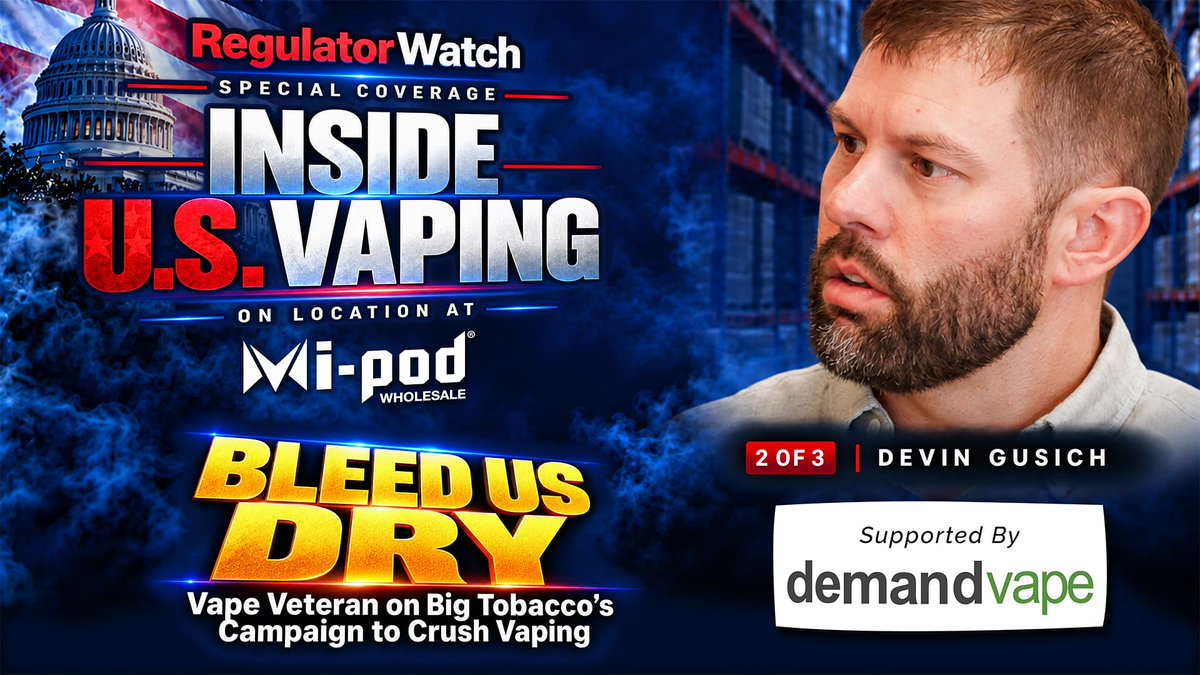
In Bleed Us Dry, Mi-Pod Director of Business Development Devin Gusich takes viewers back to the company’s beginnings.
Mi-Pod’s first employee, Devin recalls meeting Amir at a mall kiosk in 2008. The unfamiliar device Amir was using caught his attention. That encounter eventually became a job and an 18-year career.
Devin remembers customers returning to tell him they had stopped smoking. Some were emotional. Those conversations helped turn an interesting sales opportunity into work he believed in.
His account follows the company’s growth from mall kiosks to retail stores, product development, manufacturing, and distribution. He recalls the refillable Mi-Pod device reaching customers in 35 countries and the round-the-clock conversations that came with serving different time zones.
Throughout that growth, listening to customers remained central to his role. Today, he describes bringing what retailers are experiencing back to the company’s owners, shipping team, accounting staff, and other departments so Mi-Pod can respond.
That relationship helps explain why the fight for independent vape shops matters inside Mi-Pod. These are businesses Devin has spent years getting to know.
Helping Retailers Takes More Than Filling Orders
Devin describes the difficulty of keeping up with different state laws, taxes, registries, and local restrictions. Retailers need answers, and sometimes even the lawyers consulted have questions about how a provision is written.
He recalls spending hours on calls with customers trying to work through requirements. He also describes the disruption when changing restrictions affect inventory already purchased: products may need to come back, names may need to change, and businesses have to adjust plans around stock already on hand.
Every one of those adjustments takes time and money.
His interview also describes the networks that have formed among distributors, store owners, attorneys, and lobbyists to share information. Trade-show relationships become ongoing conversations about legislation and what businesses need to understand next.
That is an important form of industry involvement. Advocacy includes the daily work of helping people understand changes, connecting them with information, and making sure their experiences reach the people shaping a response.
For a retailer trying to protect a livelihood, an informed conversation with a supplier can matter a great deal.
The Pressure Reaches the Services Businesses Rely On
Devin also discusses shipping difficulties, payment processing, and the disruption of moving Mi-Pod’s websites away from Shopify.
A business can have customers, employees, and inventory and still face serious problems if it loses access to the services needed to complete a sale or deliver an order.
Devin attributes much of the pressure facing independent vaping businesses to Big Tobacco. He describes threatening letters and efforts he believes are intended to wear the industry down. That is his assessment of the forces behind these challenges; his interview gives viewers the opportunity to hear that argument firsthand.
Rebecca offers a related perspective from finance and compliance, describing pressure on vendors and the resources required to respond to legal disputes.
Together, their accounts show how a policy debate can reach into nearly every department of a company.
Mi-Pod Is Asking for a Workable Future
One of the clearest messages in Devin’s interview is his support for regulation that establishes responsible standards. He identifies age restrictions, age verification, and removing cartoons from products as examples of measures he supports.
Rebecca’s call for clarity belongs in that same conversation. Businesses need to understand what is expected of them and how to put those expectations into practice.
Mi-Pod leadership has also taken that discussion into the public policy arena. In Playing Offense, Mi-One Brands President and Co-Founder Geoff Habicht discusses the industry’s role in developing an Arizona regulatory framework. RegWatch’s overview highlights youth-access enforcement, standards for responsible businesses, and action against bad actors.
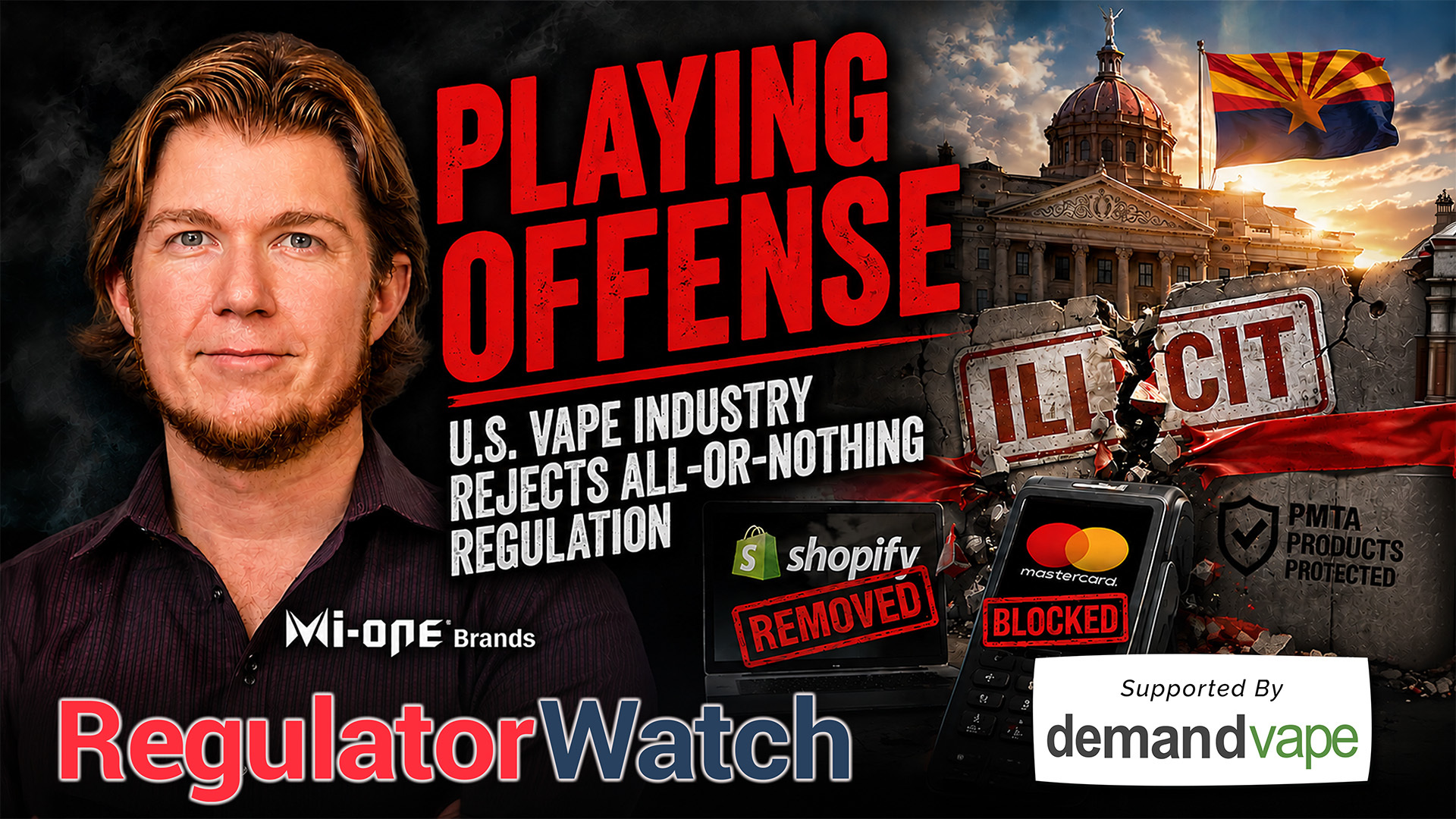
That earlier conversation complements Rebecca’s and Devin’s accounts: the people dealing with operational consequences also have something to contribute to the design of better policy.
Why These Interviews Deserve Attention
These interviews make the stakes easier to understand because they let the people doing the work explain it.
Rebecca brings the perspective of someone responsible for financial stability and compliance. Devin brings nearly two decades of customer relationships and firsthand experience with the company’s growth. Both describe an industry that requires persistence, cooperation, and a willingness to keep responding when another obstacle appears.
For retailers, the conversations offer a closer look at the work happening behind their supplier’s doors. For adult consumers, they explain why access depends on a functioning network of manufacturers, distributors, shops, and service providers. For policymakers, they offer experiences that deserve to be heard when rules are being considered.
By participating in these interviews, Mi-Pod is putting those experiences on the record. The company is speaking publicly about what it has survived, what its customers face, and what it believes needs to change.
The future of independent vaping businesses deserves that kind of attention. Mi-Pod’s team is helping make sure the people living that story have a voice in it.
Watch the conversations: Rebecca Basinski — No Clear Rules, Devin Gusich — Bleed Us Dry, and Geoff Habicht — Playing Offense.